&geometry(249x85) "Vet Cross")

Snake Bite in Dogs & Cats: What Every Queensland Pet Owner Needs to Know
Insights from the Australian Snakebite Advisory Panel, including Vet Cross's own Dr Tim Hill.
Think your pet has been bitten by a snake? Every minute counts.
A suspected snake bite is always a veterinary emergency.
Even if your pet seems to recover after collapsing, the venom may still be causing life-threatening damage.
If you think your dog or cat has been bitten by a snake:
- Keep them as calm and still as possible.
- Carry them if you can.
- Call Vet Cross immediately.
- Come straight to the clinic.
The sooner treatment begins, the better your pet's chance of recovery.
"I never even saw the snake."
One of the biggest misconceptions about snake bites is that owners usually witness the bite.
I reality, many people never see the snake at all.
A dog may suddenly collapse after playing in the backyard. A cat may come home weak, wobbly or unable to stand. By the time symptoms appear, venom may already be affecting the nervous system, muscles or blood clotting.
That's why veterinarians don't rely on seeing the snake - they rely on recognising the signs early.
The moment that catches many owners out
One of the key messages highlighted in the Australian Snakebite Advisory Panel guidelines is the importance of recognising pre-paralytic signs. These can occur within minutes to hours after a bite and often include sudden collapse, vomiting, excessive drooling, trembling or diarrhoea. Some pets may appear to recover temporarily before becoming critically ill later.
That temporary improvement can give owners a false sense of security.
If your pet suddenly collapses and then seems "back to normal", don't assume they're out of danger. They still need immediate veterinary attention.
Signs your pet may have been bitten by a snake
Every snake bite is different, and symptoms can vary depending on the species of snake, he amount of venom injected and how quickly treatment begins.
Common signs include:
- Sudden collapse
- Weakness or wobbly legs
- Vomiting
- Excessive Drooling
- Muscle tremors
- Dilated pupils
- Difficulty breathing
- Paralysis
- Dark or red-coloured urine
- Collapse followed by apparent recovery
One important thing to remember is that you may never find a bite wound or fang marks.
What should you do?
DO
- Keep your pet calm and quiet.
- Carry them whenever possible.
- Call Vet Cross while you're on your way.
- Bring them to the clinic immediately.
DON'T
- Wait to see if they improve.
- Encourage them to walk or run.
- Apply a tourniquet.
- Cut the wound or try to suck out venom.
- Waste valuable time trying to identify or catch the snake.
Your veterinarian doesn't need the snake to begin treatment.
How are snake bites treated?
Every patient is different, but treatment may include:
- Emergency stabilisation
- Oxygen therapy
- Intravenous fluids
- Blood tests
- Antivenom where indicated
- Pain relief
- Intensive monitoring and supportive nursing care
Modern veterinary medicine has dramatically improved outcomes for snake bite patients, especially when treatment begins early.
Snakes commonly found in Queensland
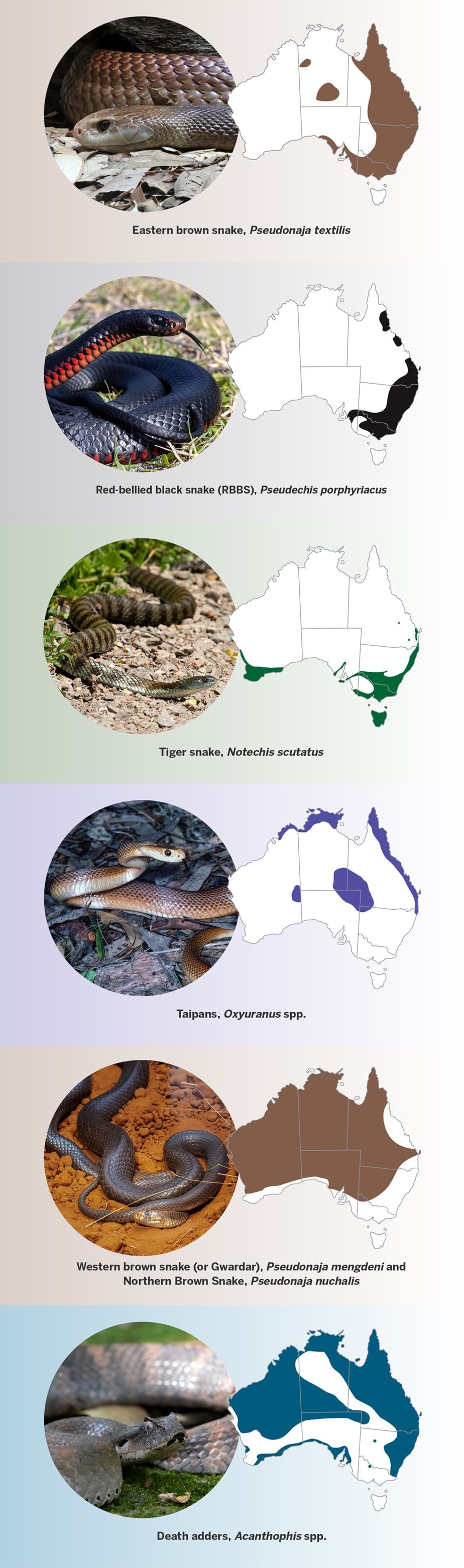
The Australian Snakebite Advisory Panel identifies several venomous snakes that are clinically significant for dogs and cats across Australia. In Queensland, the species most commonly associated with snake envenomation include:
- Eastern Brown Snake
- Red-bellied Black Snake
- Coastal Taipan (less common but highly venomous)
- Death Adder (in some regions)
- Tiger Snake (in some regions)
- Western Brown Snake (in some regions)
While different snakes can produce different effects, owners should never try to identify the species before seeking treatment. Every suspected snake bite should be treated as an emergency.
Can snake bites be prevented?
While it's impossible to remove all risk, you can reduce the chances by:
- Keeping grass short.
- Removing piles of timber, rocks and garden debris.
- Controlling rodents that may attract snakes.
- Supervising pets when walking through long grass or bushland.
- Keep dogs on a lead when walking through long grass, bushland or other areas where snakes my be present.
Curious dogs are especially at risk because they often investigate snakes rather than avoid them.
Why this topic matters to us
Snake bites aren't just something we treat - they're something we're passionate about understanding.
Vet Cross owner Dr Tim Hill was invited to join the Australian Snakebite Advisory Panel, working alongside some of Australia's leading emergency and critical care veterinarians to help develop the country's first national guidelines for diagnosing and treating snake envenomation in dogs and cats. The aim of these guidelines is to support evidence-based, consistent care and improve outcomes for pets across Australia.
For our team, that means bringing not only years of practical experience but also the latest recommendations in snake bite management to every patient we treat.
From Dr Tim Hill
"After more than 30 years practising in regional Queensland, one thing hasn't changed - owners who act quickly give their pets the best chance of survival. If you're even unsure whether it's a snake bite. don't wait. We'd much rather examine your pet early and find everything is okay than lose valuable time when every minute matters."
- Dr Tim Hill
Veterinarian & Owner, Vet Cross
Every minute matters
If you suspect your dog or cat has been bitten by a snake, don't wait for symptoms to worsen.
Call your nearest vet clinic immediately.
Prompt veterinary treatment could save your pet's life.
Written by: Vet Cross Marketing Team
Clinically reviewed by: Dr Tim Hill MANZCVSc
Last reviewed: August 2026