&geometry(249x85) "Vet Cross")

Bull Testing & Breeding Soundness Examinations: Is Your Bull Ready for Joining?
Why bull fertility testing matters
A breeding bull can have a major influence on the productivity and profitability of a beef cattle operation. During his breeding life, a dingle bull may sire hundreds of calves, making his fertility and physical soundness important factors in the success of your breeding program.
A bull may appear healthy and in good condition but still have reproductive problems that reduce his ability to successfully get cows pregnant.
Bull testing, also known as a Veterinary Bull Breeding Soundness Evaluation (VBBSE), is an important pre-breeding check that helps identify potential fertility and reproductive problems before the bull enters the breeding herd.
Testing your bulls before joining gives you the opportunity to identify problems early and, where necessary, organise a replacement before the breeding season is underway.
What is a Bull Breeding Soundness Examination?
A Bull Breeding Soundness Examination is a veterinary assessment of a bull's physical and reproductive ability to breed successfully.
The examination is designed to assess whether a bull is likely to be capable of successfully serving cows and producing viable sperm. It is not a guarantee of pregnancy or a measure of which bull is the "most fertile", but it provides an objective assessment of important fertility factors.
A comprehensive bull fertility assessment may include:
- A general physical examination
- Assessment of body condition and overall health
- Examination of the reproductive tract
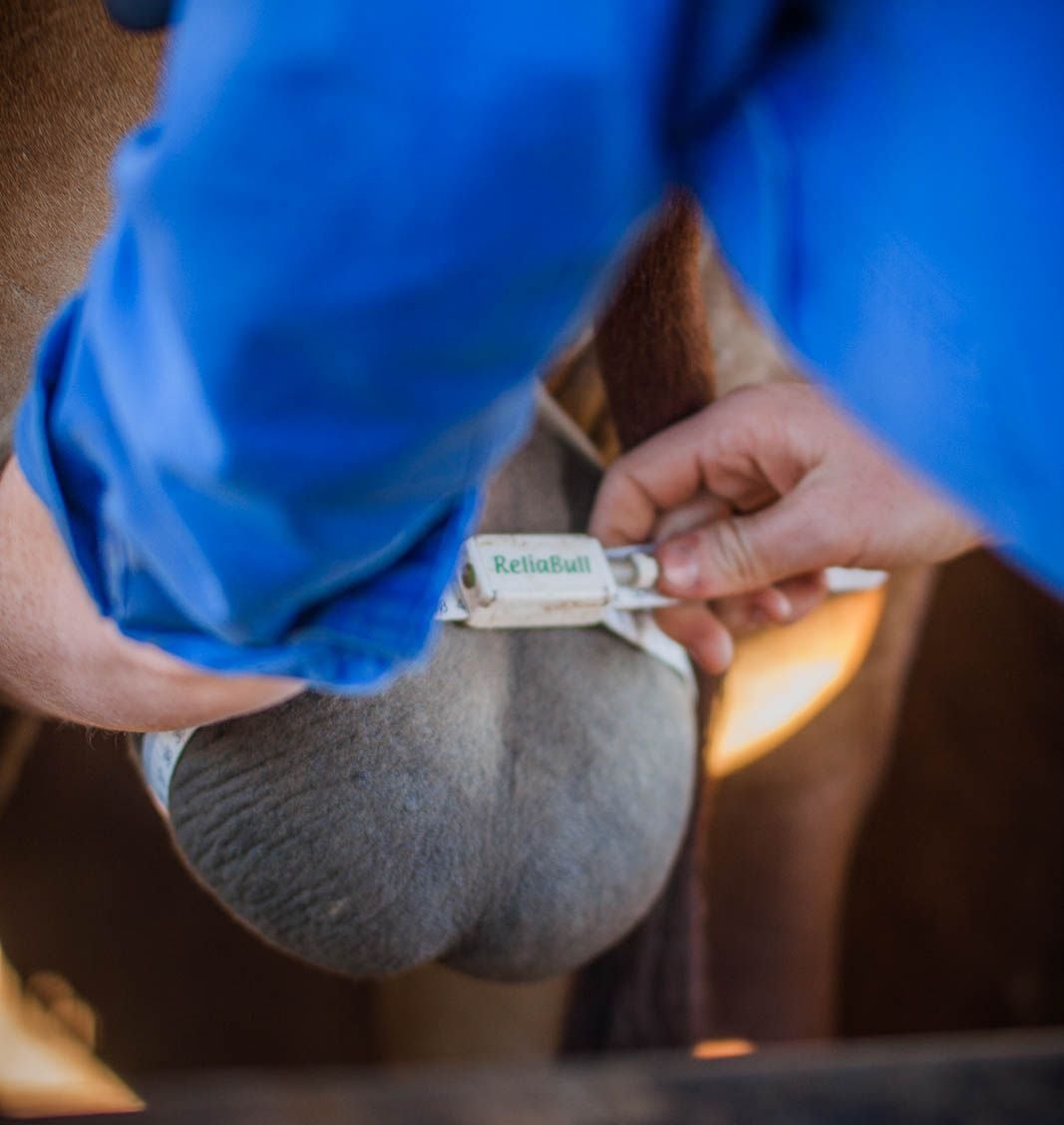
- Examination and measurement of the testes and scrotum
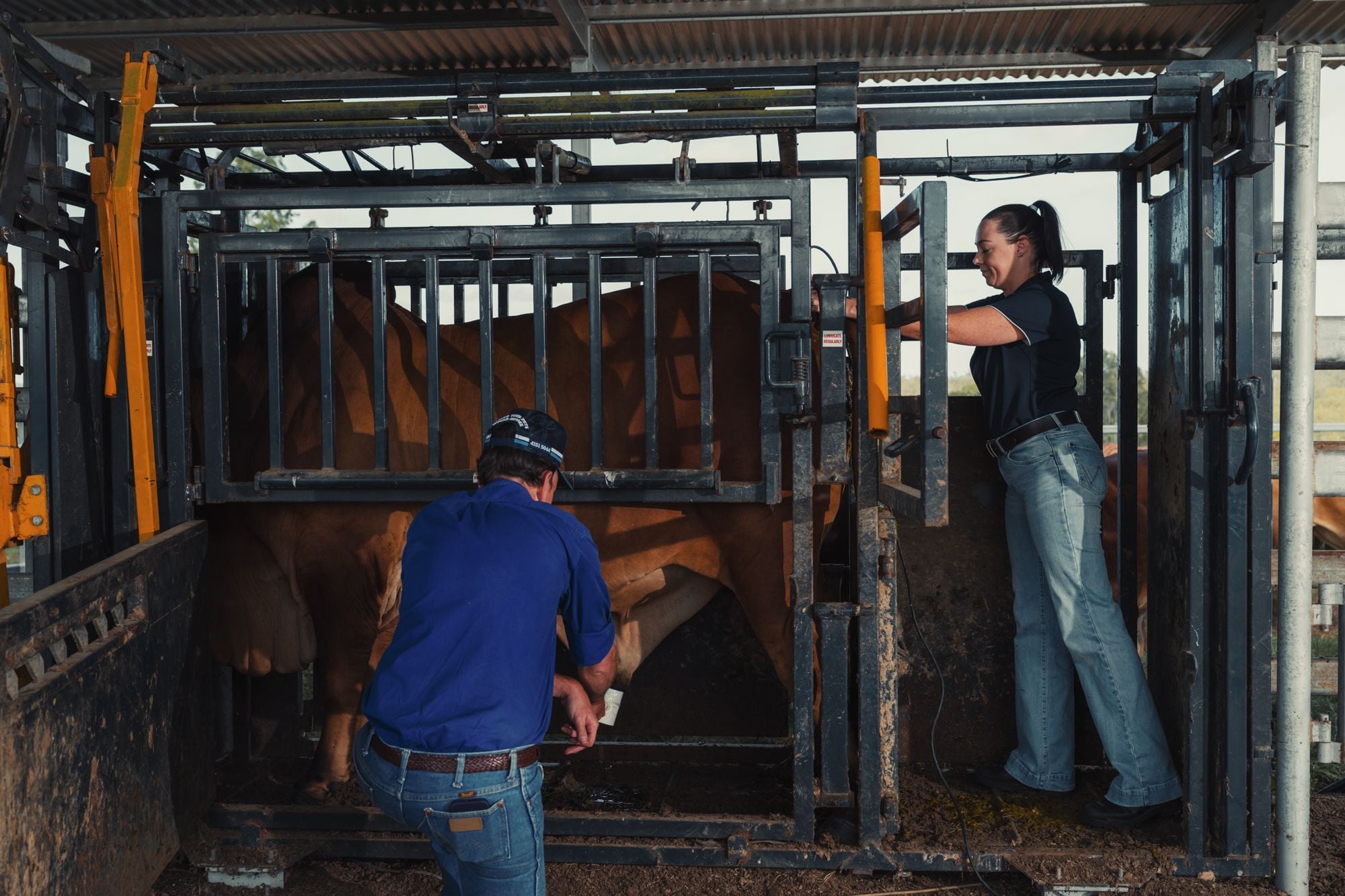
- Semen collection and assessment
- Assessment of sperm motility and morphology where appropriate
- Assessment of serving ability
- Evaluation of mobility and structural soundness
These assessments help identify problems that may affect a bull's ability to successfully work in the breeding herd.
Why should you test your bulls before joining?
A bull that is unable to work effectively can have a significant impact on your joining results.
If a bull is infertile, sub-fertile, injured or unable to serve cows properly, the consequences may not become obvious until the breeding season is well underway.
Pre-breeding bull testing can help identify issues such as:
- Lameness or mobility problems
- Testicular abnormalities
- Reproductive tract abnormalities
- Poor semen quality
- Reduced sperm mobility or abnormal sperm morphology
- Injuries that may affect serving ability
- Physical conditions that may interfere with mating
- Problems that have developed since the bull was purchased or last tested
Finding these problems before joining gives you more time to make decisions about treatment, management or replacement.
Which bulls should be tested?
Bull testing is useful for both newly purchased bulls and established herd sires.
New bulls
When purchasing a new breeding bull, fertility is one of the most important considerations.
A veterinary breeding soundness examination can provide additional information about the bull's physical and reproductive suitability before he enters your breeding program.
Remember that a breeding soundness examination is not a guarantee that a bull will get every cow pregnant. Fertility is influenced by a range of factors including cow fertility, nutrition, disease, management, environmental conditions and the bull's ability to successfully mate.
Existing herd bulls
Established herd sires should not be assumed to remain fertile simply because they have successfully bred cows in previous seasons.
Injuries, illness, age and other reproductive problems can develop during a bull's working life.
Annual pre-breeding bull testing can help identify problems before the bull is put back with the herd.
This is particularly important for valuable bulls that are expected to remain productive for multiple breeding seasons.
What does a bull fertility test involve?
1. Physical Examination
The veterinarian assesses the bull's general health, body condition, movement and structural soundness.
Problems such as lameness, joint abnormalities, overgrown claws or other physical issues can affect a bull's ability to find, mount anf serve cows.
2. Reproductive examination
The reproductive tract and external reproductive organs are examined for abnormalities.
The testes are assessed for size, consistency and abnormalities, and scrotal circumference may be measured as part of the evaluation.
3. Semen assessment
A semen sample can be collected and assessed to determine important characteristics of the sperm.
Depending on the examination, this may include assessment of:
- Sperm motility
- Sperm morphology
- Semen quality
- Other characteristics relevant to reproductive soundness
A bull may produce an adequate quantity of sperm but still have sperm abnormalities than can reduce fertility.
4. Serving ability
A bull needs more than good-quality semen to successfully breed cows.
He must also be physically capable of identifying cows in oestrus, mounting them and successfully completing service.
Physical injuries, lameness, structural problems and reproductive abnormalities can all interfere with this process.
When should bulls be tested?
For most beef producers, testing before the breeding season is a practical way to identify potential problems while there is still time to make alternative arrangements.
Testing timing will depend on your production system, joining period and individual circumstances.
Testing before joining can provide enough time to:
- Identify bulls that may not be suitable for breeding
- Investigate potential problems
- Treat conditions where appropriate
- Arrange replacement bulls if required
- Prepare bulls for the breeding season
Your cattle veterinarian can help determine the most appropriate timing for your herd.
Don't forget bull preparation
Bull fertility is only one part of successful breeding.
Bulls should also enter the breeding season in appropriate body condition and with suitable health and vaccination management.
Depending on your property and production system, your veterinarian may discuss preventative health measures such as vaccination, parasite control and other herd health considerations.
Bulls also need to be monitored throughout the joining period. A bull that becomes injured or unwell during joining may no longer be capable of successfully working with the herd.
Bull testing and genetic selection are different
It is important to distinguish fertility testing from genetic selection.
A breeding soundness examination assesses whether a bull meets important physical and reproductive criteria associated with his ability to breed.
When selecting a new sire, producers may also consider information such as:
- Estimated Breeding Values (EBVs)
- Breed characteristics
- Growth and carcase traits
- Fertility traits
- Temperament
- Structural soundness
- Performance of the bull's dam and other relatives
- Suitability for the individual production system
No single measurement should be considered in isolation. The right bull needs to be both reproductively sound and genetically suited to you breeding objectives.
What happens if a bull doesn't pass?
A result indicating a potential fertility or soundness problem does not necessarily mean the bull should immediately be discarded.
The significance of a finding depends on the nature of the problem, its severity and whether it is likely to affect the bull's ability to successfully breed.
Your veterinarian can discuss the results with you and advise whether the bull should be:
- Treated and re-examined
- Managed differently
- Monitored
- Removed from the breeding program
- Replaced before joining
Protect your breeding investment
Your bulls represent a significant investment in your herd's future.
Regular bull fertility testing can help identify reproductive and physical problems before they have the opportunity to affect your joining results.
Don't wait until pregnancy testing to discover that a bull wasn't working properly. If pregnancy testing identifies a lower-than-expected conception rate, bull fertility may be one of the factors to investigate.
Talk to the Vet Cross large animal veterinary team about bull testing, pre-breeding reproductive assessments and pregnancy testing for your herd.
Bull Testing in the Bundaberg and Gin Gin Region
Vet Cross provides veterinary services for cattle producers throughout the Bundaberg and surrounding regions, including Bundaberg, Bargara and Gin Gin.
Our large animal veterinarians can assist with reproductive management, herd health and on-farm veterinary services.
Contact Vet Cross to discuss bull testing before your next breeding season.
Blog written by: Vet Cross Marketing Team
Clinically reviewed by: Dr Andrew Marland BVSc (Hons)
Last reviewed: September 2026