From Bump to Birth: A Vet Cross Guide to Dog Pregnancy & Whelping in Bundaberg
At Vet Cross, we regularly support dogs and their families through pregnancy and whelping — whether the litter was carefully planned or a complete surprise. Knowing what is normal, what to expect, and when to seek help can make all the difference for mum and her puppies.
This guide explains the stages of dog pregnancy and labour (whelping), how to prepare at home, and when to contact your Bundaberg vet for advice or urgent care.
Dog Pregnancy Basics
How long is a dog pregnant?
A dog’s pregnancy (gestation) lasts around 63 days, or approximately 9 weeks.
Tracking mating dates
- For planned matings, record all mating dates to help estimate the due date
- For accidental matings, even a rough timeframe is helpful
- If dates are unknown, an ultrasound can help estimate how far along the pregnancy is
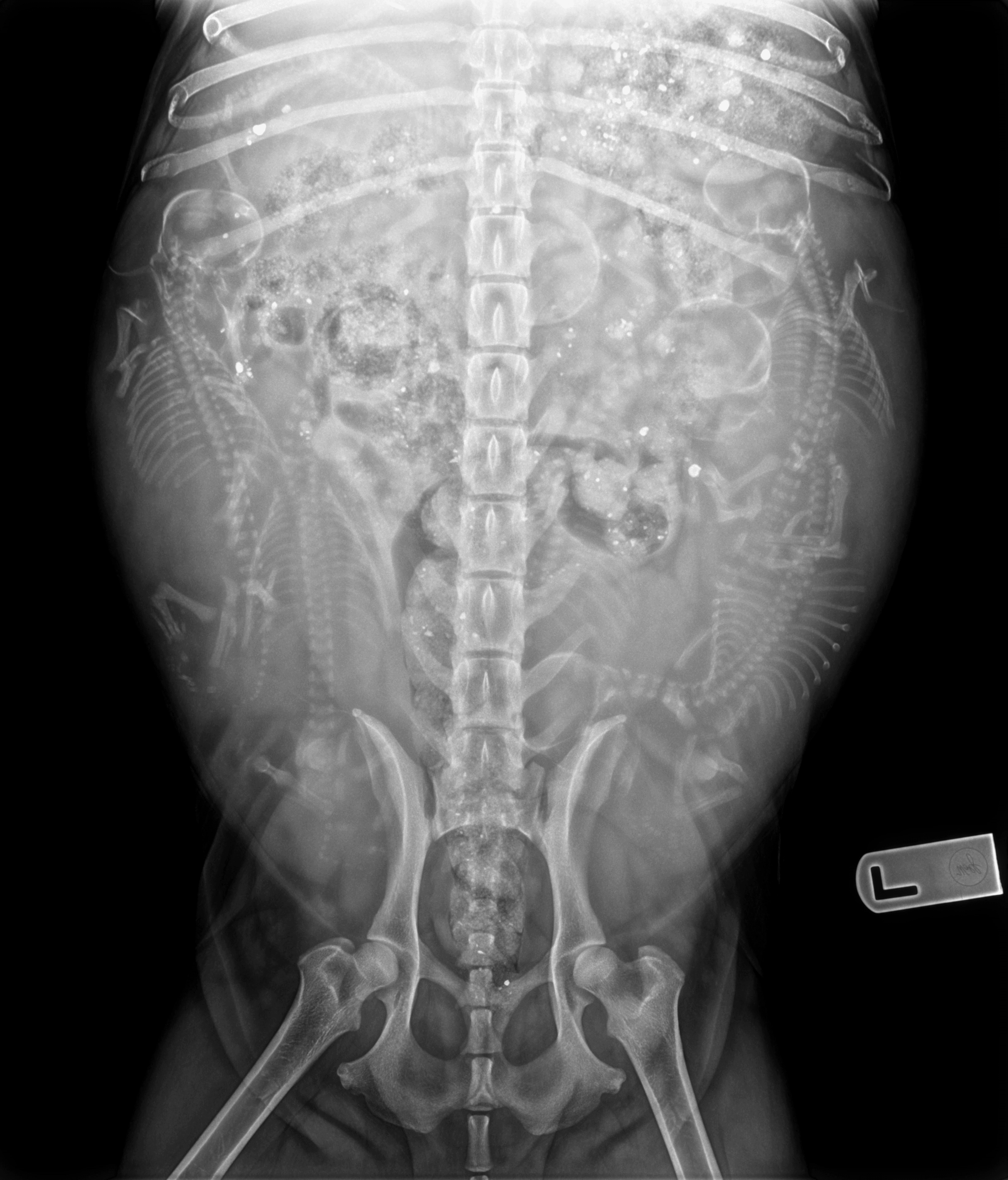
Pre-whelping X rays
Once pregnancy is confirmed, we recommend a pre-whelping X ray around one week before the due date.
X rays allow us to:
- Estimate litter size
- Assess puppy size and positioning
- Help you know when mum has finished delivering
This information is especially important if labour does not progress as expected.
Preparing for Whelping at Home
Before labour begins, it’s best to be prepared.
We recommend having:
- A warm, quiet whelping box in a low stress area
- Clean towels or cloths
- A thermometer
- Your vet clinic’s phone number saved (including after hours details)
- A transport plan in case mum or a puppy needs veterinary care
The Stages of Labour (Whelping)
Stage 1: Nesting
Duration: 12-36 hours
In the final days of pregnancy, mum will begin preparing for her puppies. Common signs include:
- Seeking quiet or hidden places
- Restlessness
- Digging or circling
- Trying to create a safe “den”
This behaviour is known as nesting. Providing a comfortable whelping area early can prevent her choosing inconvenient places such as wardrobes or under beds.
Temperature drop
A drop in body temperature — usually below 37°C — often occurs about 24 hours before labour begins. We recommend checking mum’s temperature daily during the final week of pregnancy.
Stage 2: Active Labour (Pushing)
Duration: A few hours, depending on litter size
This is when puppies are delivered. Signs include:
- Restlessness or agitation
- Licking the vulva
- Strong abdominal contractions
- Lying down and straining
Once Stage 2 begins, puppies should usually arrive approximately every 30 minutes. If it has been 60 minutes and no more puppies delivered call your vet immediately as it could be an emergency. This is why knowing how many puppies are in the litter before labour begins is important.
Each puppy is born inside a fluid filled sac (water bag). This often breaks naturally or is opened by mum. If it does not, you may need to gently tear the sac open so the puppy can breathe.
Stage 3: Completion of Labour
Once all puppies are delivered, mum should:
- Clean the puppies
- Remove remaining membranes
- Begin feeding them
It is normal to see bloody discharge for a few days after whelping.
Knowing the expected litter size is important — it helps determine whether labour is complete or if veterinary assistance is needed.
When to Be Concerned - Call the Vet
If you are ever unsure, contact Vet Cross for advice.
No signs of labour past the due date
This may be due to incorrect timing, delayed labour, complications, or pregnancy loss. A veterinary examination, X ray, or ultrasound may be required.
Labour slows or stops
Seek veterinary help if:
- There is no progress for 60 minutes
- A puppy is partially delivered but stuck
- Mum stops pushing or appears exhausted
These situations may be caused by a stuck puppy, uterine fatigue (common in large litters), or hormonal issues. Treatment may include assistance, medication, or a caesarean section.
The water bag does not break
If mum does not open the sac herself, gently tear it open so the puppy can breathe.
To stimulate the puppy:
- Support the head and body
- Rub firmly with a clean towel to dry and encourage breathing
Puppies are not breathing or vocalising
This may indicate fluid in the lungs or inadequate stimulation. Rub the puppy vigorously with a towel and seek veterinary care immediately if you are concerned.
Mum is scared, inattentive, or rejecting puppies
Some dogs — especially first time mums — may struggle initially.
Monitor closely to ensure she is:
- Feeding the puppies
- Cleaning and toileting them
- Handling them gently
- Not showing fear or aggression
If puppies are rejected, hand raising may be required with veterinary guidance.
Caring for Newborn Puppies
Feeding
- Puppies should feed every 2 hours, including overnight, for the first 2 weeks
- Healthy puppies should gain 5-10% of their body weight daily
If weight gain is poor, supplementation or full hand raising may be required using a high quality milk replacer such as Divetalac or Wombaroo.
Important Information for New Puppy Owners
Nutrition
Once weaned, puppies should be fed a high quality puppy diet to support healthy growth and development.
Worming
Puppies should be wormed every 2 weeks from 2 weeks of age. We commonly recommend Drontal Puppy Liquid or tablets, depending on size.
Vaccination & Microchipping
Vaccination and microchipping begin at 8 weeks of age. Please contact Vet Cross to book your puppy appointments.
Breeder Identification Number (BIN)
In Queensland, all breeders — including accidental litters — must have a Breeder Identification Number (BIN). This is a legal requirement that supports traceability and animal welfare.
You can apply online through the Queensland Government.
Need Advice or Support?
Every pregnancy and whelping is different. If you are concerned at any stage — before, during, or after labour — please contact Vet Cross. Early veterinary care can save lives and give both mum and puppies the best possible start.
Vet Cross — supporting Bundaberg pets and their families through every stage of life.